Consider the language we have come to use when we talk about photography. It is very acquisitive. Like a hunter, we shoot and capture a photo. This is the language of domination, power and control. The psychoanalyst Fox cites Fenichel’s description of the camera as the ‘devouring eye’ (1957; p. 101). Right at its inception, William H. Fox Talbot, the English inventor of the negative-positive process and modern-day photography exclaimed, ‘You make the powers of nature work for you! What man [sic] may hereafter do, now that Dame Nature has become his drawing mistress, is impossible to predict.’ (cited in Jammes, 1972; p.8). Thus, the foundation was laid for this acquisitive, instrumental, almost conquering attitude in photography.
The shadow side of this is that with the ubiquity of cameras, getting a photo of an event to prove we were there can become more important than the experience itself. Many of us have been to events such as concerts, services, or weddings and seen the phones popping up in the crowd, each struggling to get a shot. It is as if our experiences are legitimised by taking a photo; we take photos to prove we were there, to say we did this or that as if without the photo it did not really happen. Before long, the act of legitimisation becomes more important than the experiencing of the event itself and getting the photo is in danger of becoming the experience itself. This anxiety to capture can drive us, resulting in us being barely present to what is in front of us. Susan Sontag’s claim in 1979 that ‘Today everything exists to end in a photograph’ (p. 26) is perhaps truer today that she could have imagined.
This kind of language reflects an emphasis on outcome. It is all about the end product and meeting explicit or implicit criteria, such as beauty, notoriety, or attracting an audience. It is natural to want to make ‘good’ photographs that we will enjoy or that will serve a particular function. However, paradoxically, by letting go of the need for a good outcome and instead being more present to the process of photography, we can become more creative and, in fact, make ‘better’ images – whatever we might mean by better. But more than that, a mindful approach to photography in which we are attentive to the process of making images can connect us more fully with ourselves, others, and for those of faith, God.
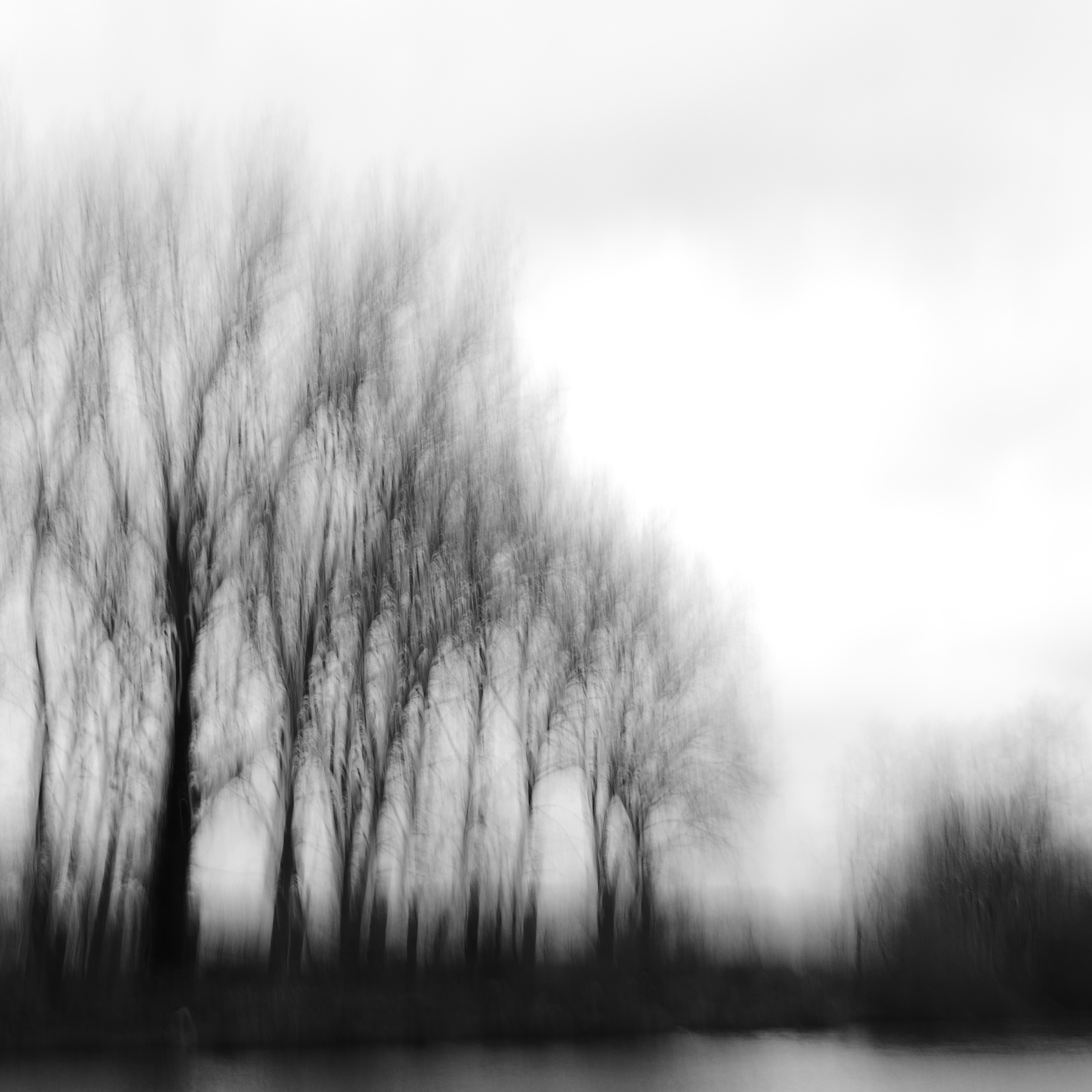
The temptation is to practice photography driven by those parts of ourselves that are primarily concerned with achieving a ‘good’ image, rather than seeing and listening with our hearts and bodies. More than getting the right shot, photography can also be a way of exploring and expressing spirituality, listening to ourselves, others, and God; of what Valters Painter calls ‘visio divina’. That is, beholding, contemplating, as part of our worship, being mindful, paying attention to the process (Valters Paintner, 2013). Valters Paintner points out that in a mindful approach to photography we can develop a visio divina, a ‘sacred seeing. Seeing with the ‘eyes of our heart’ means to see from the wholeness we already are’ (p. 34). The next time you reach for the camera, take a moment to be present and receive the light.
References
Fox, H. M. (1957) Body image of a photographer. Journal of the American Psychoanalytic Association, 5 (1), 93-107.
Jammes, A. (1972) William H. Fox Talbot. Luzern: Bucher, Bibliothek der Photographie.
Sontag, S. (1979) On Photography. London: Penguin.
Valters Painter, C. (2013) Eyes of the Heart. Notre Dame, IN: Sorin Books.

 Dr Janet Penny